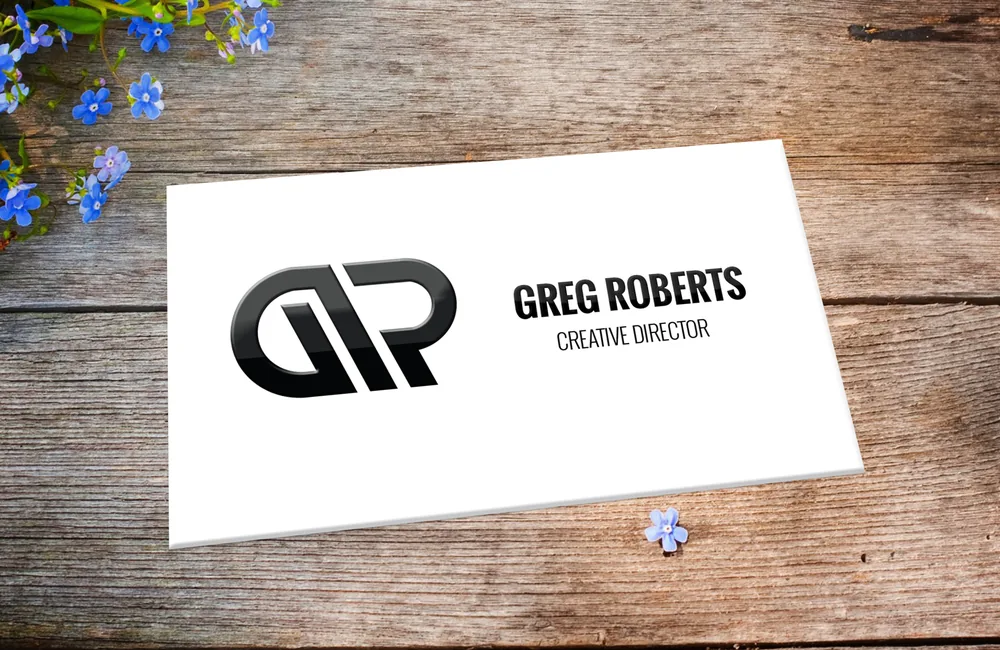
A business card is small, but the material and finishing choices do a surprising amount of work. The best card is not automatically the thickest or most decorated one. It is the card whose stock, surface, and details support the brand and the way the card will be used.
Begin with the job the card needs to do
A networking card handed out one at a time can support a different finish than an appointment card that needs to be written on, stamped, or handled all day. Before choosing paper, decide what information the card carries and what must happen after someone receives it.
- Will anyone need to write a date, note, or referral code on it?
- Does it need to survive in a wallet, vehicle, counter display, or product package?
- Is the design driven by photography, flat brand color, fine typography, or a tactile logo?
- Does the card need to match other stationery or packaging?
Coated stocks: crisp color and a polished surface
Coated paper limits how deeply ink settles into the sheet, helping photographs and saturated color appear sharp. Gloss coatings increase reflectivity and visual contrast. Matte and silk-style surfaces reduce glare while keeping a refined printed appearance.
A heavily coated card may not accept pens or stamps reliably, so leave an uncoated area or choose a writable stock when handwriting is part of the workflow.
Uncoated and textured stocks: tactile and approachable
Uncoated stock feels more like traditional paper and is usually easier to write on. Linen, kraft, recycled, pearl, and other specialty surfaces introduce texture or visible material character. These papers can reinforce a natural, handcrafted, editorial, or understated identity.
Texture also affects fine type and large solid areas. A surface chosen for touch should still support the artwork, so reviewing a physical sample is valuable when the texture is a major part of the concept.
Soft touch: low glare with a distinctive feel
Soft-touch finishes create a smooth, velvety surface and tend to deepen the perceived richness of darker colors. They can make a minimal card feel deliberate without adding a complex graphic effect.
Like other specialty coatings, soft touch should be selected with handling and use in mind. Fingerprints, scuff visibility, writing needs, and the color of the design all affect the final choice.
Raised details, foil, and spot effects
Raised spot UV, raised foil, metallic foil, and selective gloss create contrast between the printed design and the surface. These treatments are strongest when they emphasize one idea: a logo, short line of type, pattern, or key graphic element.
- Use adequate line weight and spacing for the selected finishing process.
- Avoid applying every effect to every element; contrast is what makes the finish visible.
- Prepare masks or spot-color layers exactly as required by the product template.
- Review registration tolerance when a finish must align with very small printed details.
Thickness, shape, and edge treatments
A thicker card can feel substantial, but thickness must still fit the holder, dispenser, or packaging where it will live. Painted edges draw attention to the side of a thick sheet. Folded cards add space for service details or instructions. Die-cut shapes can create recognition, provided the shape remains comfortable to carry and the layout respects the cut line.
Keep the design readable
Material cannot rescue a crowded layout. Give the logo and contact information enough space, keep essential type at a practical size, and test QR codes at finished dimensions. A card can feel expressive without asking every square inch to compete for attention.
The strongest finish is often the one that makes the brand easier to remember, not the one with the longest specification.
What to include with a quote request
Send the finished size, quantity, single- or double-sided layout, preferred stock or feel, desired coating, and any foil, raised, edge, fold, or die-cut requirements. If you are not sure which specification fits, describe the brand and how the card will be used. We can narrow the choices from there.
Browse more business-print options or request a recommendation and quote.
Put the guide into practice
Explore business card printing in Las Vegas, then request a quote with your artwork, quantity and project details.